
A double glazing filled with argon that shows condensation between the two panes has lost the seal of its peripheral joint. The question of refilling gas in double glazing regularly arises during renovations, but the technical answer is less straightforward than simply recharging refrigerant or inflating a tire. The manufacturing process of insulating glazing imposes constraints that on-site intervention cannot replicate.
Industrial process of argon gas injection into insulating glazing
The production of insulating glazing follows a precise sequence: assembling the two panes on a spacer, creating a vacuum in the air gap, injecting argon under controlled pressure, checking for airtightness with sensors, and then applying a second external sealing joint. Each step relies on production line equipment.
This double sealing (primary butyl joint, secondary polysulfide or structural silicone joint) ensures a filling rate of over 90% upon leaving the factory. It is this rate that determines the actual thermal performance of the glazing.
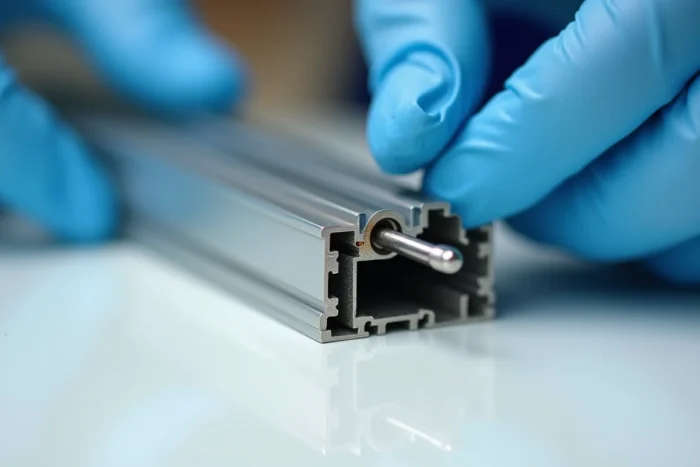
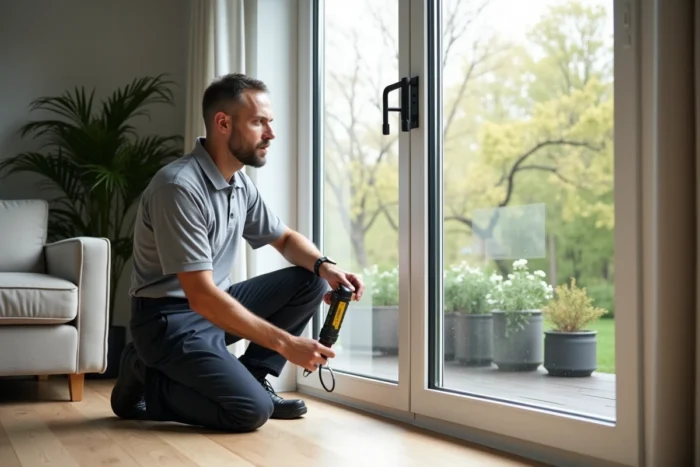
When a glazier offers to refill gas in double glazing on-site, they face the absence of an airtight chamber and concentration sensors. The gas injected through a hole in the spacer mixes with ambient air, and no reliable control of the filling rate is possible without industrial equipment.
Actual argon gas loss rate in airtight glazing
A well-manufactured double glazing loses only about 5% of its argon gas over 25 years, according to data from the manufacturer Finesse Windows. This slow degradation means that thermal performance does not collapse abruptly: it declines almost imperceptibly over the entire lifespan of the glazing.
The confusion arises from the fact that internal condensation and gas loss are often conflated. Fogging between the panes indicates a break in the sealing joint, not necessarily a total loss of argon. However, once the joint is broken, the moisture that enters degrades the low-emissivity coating and the spacer, making any attempt to refill gas pointless.
What a fogged glazing really means
A fogged glazing has lost its airtightness. The humid air that seeps in causes condensation and, over time, mineral deposits on the inner surface of the glass. Even when reinjecting gas, the faulty joint will allow argon to escape within weeks. The repair will not hold without completely resealing, which amounts to manufacturing a new insulating glazing.
Replacing insulating glazing without changing the window
In most cases, we recommend replacing the insulating glazing (the glass unit) rather than replacing the entire window. This operation, often referred to as “glazing renovation,” involves removing the trim, taking out the old glazing, and installing a new unit manufactured to the exact dimensions of the existing joinery.
- The aluminum, PVC, or wood frame remains in place, which reduces the cost and time of intervention compared to a complete window replacement
- The new glazing can incorporate a more efficient gas (krypton) or a next-generation low-emissivity coating, improving thermal performance compared to the original glazing
- The “warm edge” spacer reduces thermal bridging at the edge of the glazing, a point that older models did not address
This approach assumes that the frame is in good condition. A cracked PVC profile or rotten wood does not justify the investment in new glazing: it is better to replace the whole unit.
Argon or krypton: which gas for replacement glazing
Argon remains the standard choice for double glazing in renovations. Its performance-to-price ratio is the most favorable, and it fits the 16 mm air gaps common in residential joinery. The gain on the Ug coefficient compared to dry air is significant without a substantial additional cost.
Krypton becomes relevant when the available thickness in the frame is limited. Its higher density further slows convection in a thin gap (8 to 12 mm), allowing it to achieve thermal performance comparable to that of argon in 16 mm. The additional cost of krypton is only justified on low-thickness joinery, typically old frames or thin profiles.
The gas alone does not determine thermal performance
We regularly observe requests focused on the type of gas when the determining factor is the low-emissivity coating. A glazing with a good low-emissivity coating and dry air can outperform an argon glazing without surface treatment. The trio of gas, warm edge spacer, and low-emissivity coating works as a system: modifying just one parameter without the others significantly limits thermal gain.
- A low-emissivity coating reflects infrared radiation back inside, reducing losses by radiation
- A warm edge spacer made of composite or stainless steel cuts the peripheral thermal bridge
- The gas (argon or krypton) reduces conduction and convection in the gap
Changing the gas without replacing the entire glazing does not allow for benefiting from these three levers. Replacing the insulating glazing unit incorporates all available improvements in a single intervention.
The next time a window shows fogging between the panes, the most cost-effective reflex remains to have the glazing measured by a joiner for a replacement of the insulating unit. On-site regassing, seemingly appealing, does not solve either the airtightness issue or the loss of coating. A new factory-made glazing often costs less than a risky repair, and it comes with guaranteed airtightness and insulation for the next two decades.