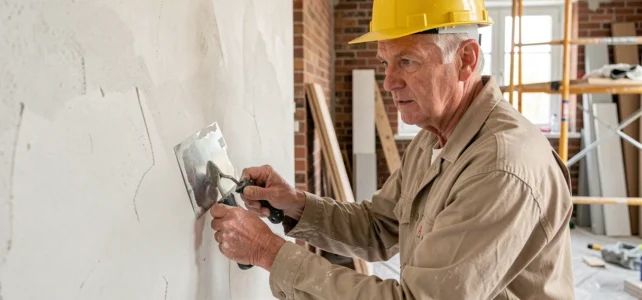
A homeowner who discovers a crack on their facade or an unusually high heating bill does not first wonder what aid programs exist. They first seek to understand what project to start, in what order, and with whom. It is precisely in this area that the success of a renovation project is determined: the right sequence of decisions, even before the first hammer strike.
Renovation work: what changes with the end of the monogeste in September 2026
As of September 1, 2026, MaPrimeRénov’ will no longer accept certain isolated works. Several actions that were previously eligible (isolating alone, replacing windows without a bundle) have been removed from the program. The stated goal of Anah is to push households towards extensive renovations combining multiple areas.
On the ground, this reform disrupts habits. One can no longer simply change a boiler and expect a significant grant. It is now necessary to combine at least two complementary actions (insulation and ventilation, for example) to remain eligible for the main aids.
Feedback on this point varies: some craftsmen note an extension of the time required to compile a file, while others observe that accepted projects are better sized. What is certain is that the first half of 2026 saw a drop of about 78 to 79% in the number of global renovation files submitted compared to the same period in 2025, according to the report from Anah published in August 2026. For files by action, the decrease is about one-third.
To navigate this context, consulting the projects proposed by Conseil Habitat allows one to visualize concrete projects carried out in various configurations, from older housing to 1970s homes.
Prioritizing work areas before requesting a quote
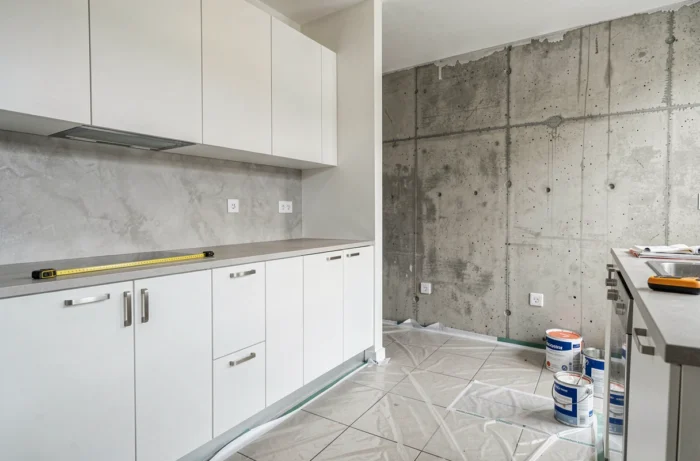
The classic temptation is to renovate what is visible: the bathroom, the kitchen, the facade. In practice, the order of work conditions their effectiveness and final cost. Tackling plumbing before addressing a structural humidity issue means doing the work twice.
A technical diagnosis as a starting point
Before any quote, a precise assessment of the house or apartment guides decisions. One seeks to identify three things:
- The building pathologies that must be addressed as a priority (rising damp, weakened framework, roofing waterproofing defects) because they degrade everything else.
- The most costly energy areas on a daily basis: poorly installed or absent attic insulation generates losses that neither an efficient heating system nor new windows will compensate for.
- The local regulatory constraints, especially in classified areas or in co-ownership, which limit choices of materials or facade colors.
This prioritization avoids dispersing the budget on cosmetic work while the housing continues to lose heat through the roof.
Energy renovation and indoor comfort: two linked objectives
A renovation project that separates comfort improvement (new bathroom, interior layout) and energy performance (insulation, ventilation, heating) often ends up costing more. When opening the walls to redo the plumbing, it is the right time to add insulation. When changing the roof, one should address attic insulation at the same time.
Combining interventions reduces labor and restoration costs. A professional coordinating the entire project identifies these complementarities, where craftsmen working separately may not always communicate with each other.
Renovation budget: anticipating costs that the quote does not show
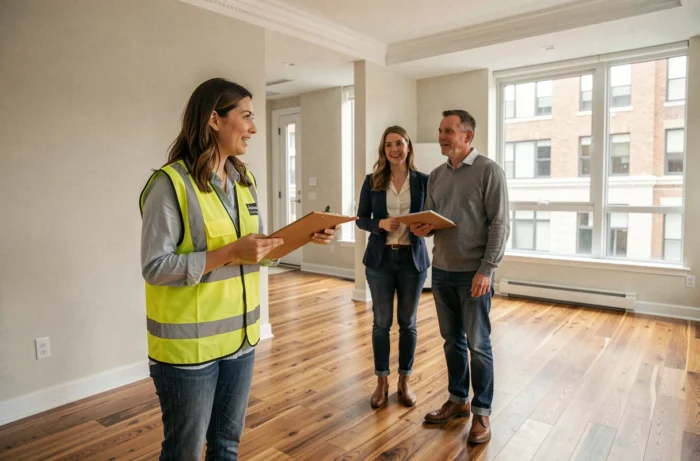
The price displayed on a work quote only covers part of the actual expense. Several items are systematically underestimated by individuals renovating for the first time.
The management of construction waste, first. Removing an old roof or tearing out an asbestos covering has a logistical cost that can represent a significant portion of the overall budget. Then, the structural surprises: a floor that appears sound on the surface but reveals damaged joists once the tiles are removed.
Planning a safety margin on the total budget is not pessimism, it is project management. Experienced professionals incorporate this margin into their support, which prevents the homeowner from having to make urgent decisions between finishing the project and staying within budget.
Heat pump and global renovation: the enduring item
Despite the overall decline in supported files in the first half of 2026, the heat pump remains the most requested item in energy renovation projects. Its ability to replace an oil or gas boiler while qualifying for grants makes it a frequent pivot in work bundles.
However, installing a heat pump in poorly insulated housing is like heating the outdoors. Insulation must precede or accompany the change of heating system so that the sizing of the heat pump is correct and the projected savings materialize.
Another often overlooked point: ventilation. Insulating a home without adapting the mechanical ventilation creates condensation and indoor air quality issues. The most successful projects address these three areas (insulation, heating, ventilation) in a single coordinated project.
The renovation market is undergoing a period of regulatory transition that complicates decisions for individuals. Choosing the right work, in the right order, with support that takes into account the new eligibility rules for aids, makes the difference between a controlled project and a budget that spirals out of control. The quality of the initial diagnosis remains the most determining factor, well before the choice of tiles or wall colors.